Food Trends 2026: How We’ll Really Be Cooking, Hosting and Eating at Home
Food trends for 2026 aren’t about novelty or reinvention.
They’re about cupboards, confidence, and cooking that fits real life.
I recently contributed commentary to Speciality Food Magazine on how the British store cupboard is evolving, and why ambient, flavour-led foods are playing a bigger role in how we eat at home. What’s clear - both from industry insight and everyday kitchens - is that people want food that works harder, lasts longer, and still feels like a treat.
👉 You can read the full Speciality Food feature here:
Read the article →
Here’s how those shifts are shaping cooking, hosting and eating at home as we head into 2026 - plus a few things I’m seeing that didn’t make it into the magazine.
1. Pantry-First Cooking Is the New Normal
One of the strongest signals for 2026 is the return of the store cupboard as the starting point, not the backup plan.
People are building pantries that help them cook:
midweek meals without planning
last-minute hosting without stress
flavour-led food without a long ingredient list
This is why pantry essentials and recipe kits are replacing one-off ingredients. Shoppers want fewer decisions, less waste, and more flexibility - food that’s ready when they are.
2. Premium Convenience Has Replaced “Quick Fixes”
Convenience hasn’t gone away - but expectations have changed.
In 2026, people are actively avoiding:
ultra-processed shortcuts
bland “healthy” swaps
ingredients they don’t recognise
Instead, they’re choosing premium convenience:
cooking kits that do the thinking, not the cooking
sauces, pastes and blends that deliver real flavour
quick and easy recipes that still feel intentional
Good shortcuts are now a selling point - as long as they’re done properly.
3. Cooking Has Become Modular, Not Recipe-Led
Rather than following long recipes from start to finish, more people are cooking in components:
one strong flavour base
one protein or vegetable
one fresh or crunchy finish
This modular style of cooking suits:
small households
flexible schedules
eating differently night to night
It also explains the rise of adaptable cooking kits - designed to slot into how people already cook, rather than asking them to change their habits.
4. Hosting Is More Casual - but Expectations Are Higher
Formal dinner parties are becoming less common, but hosting hasn’t disappeared.
Instead, 2026 is about:
low-key get-togethers
impromptu drinks
“come round, I’ll throw something together” energy
Food still needs to:
taste good
feel generous
look like some thought went into it
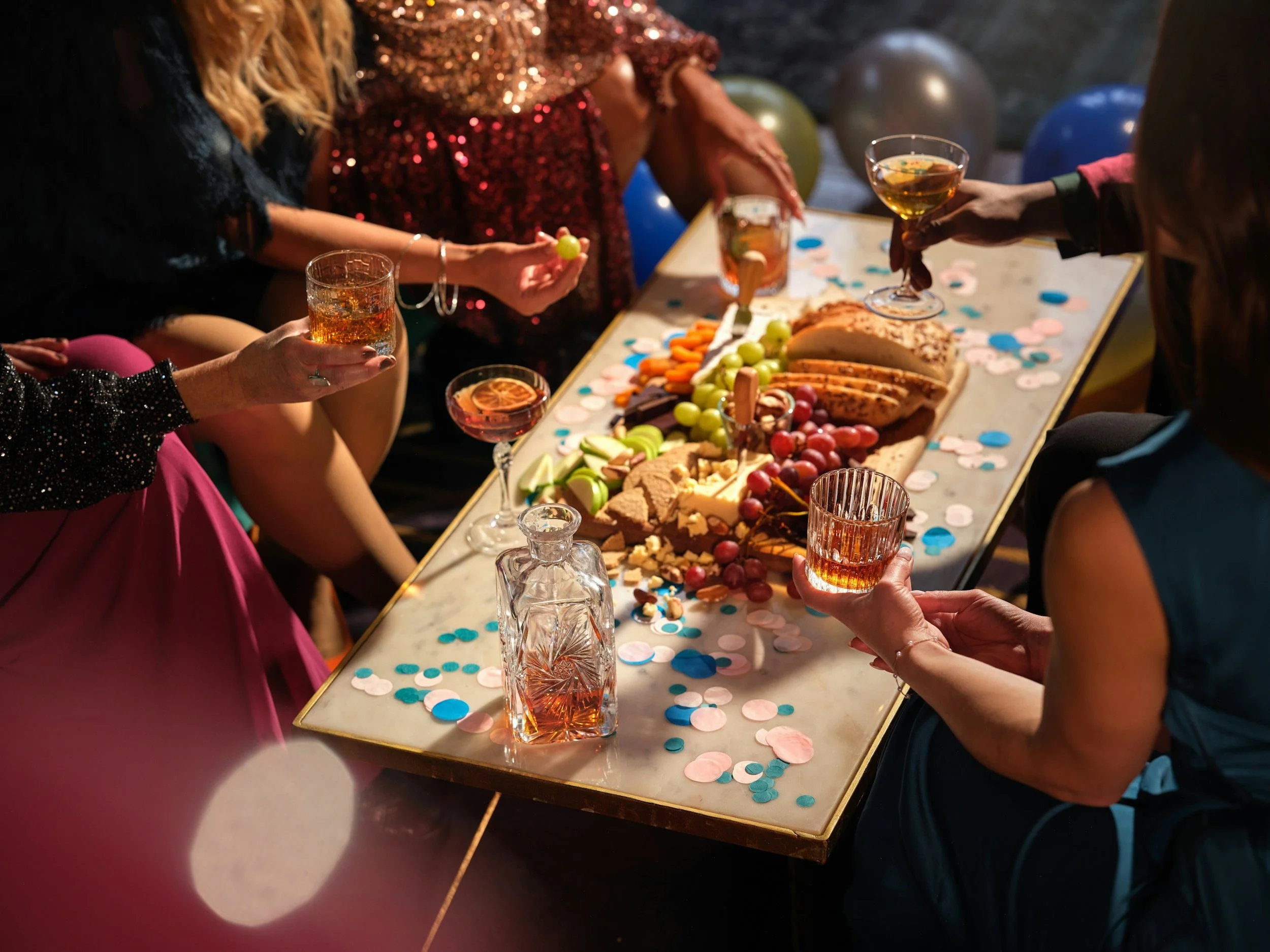
That’s why crowd-pleasing pantry food, shareable dishes and easy wins are becoming hosting staples - not just something saved for special occasions.
5. Gifting Has Shifted from Novelty to Usefulness
Food gifting continues to grow, but with a noticeable change in intent.
People are moving away from:
decorative gifts
novelty flavours
oversized hampers
And towards:
practical, edible gifts
smaller, thoughtful bundles
food that fits into everyday life
In 2026, the best gifts aren’t the most impressive - they’re the ones that actually get used.
6. What I’m Seeing That Didn’t Make the Magazine
Beyond the wider trends, a few quieter shifts are shaping how people shop and cook:
Cooking for two is now the default, not the exception
Repeatable favourites matter more than constant newness
People want confidence, not complexity
“Quick” doesn’t mean rushed - it means well designed
Protein packed meals will continue grow
These insights are influencing how I curate Peak & The Pantry - focusing on food that earns a permanent place in the cupboard, rather than a one-off moment.
Looking Ahead to 2026
The food trends shaping 2026 aren’t about doing more.
They’re about doing less, better.
Better cupboards.
Better shortcuts.
Better food for how we actually live.
That’s where cooking, hosting and eating at home is heading - and it’s a future built around flavour, ease and intention.